
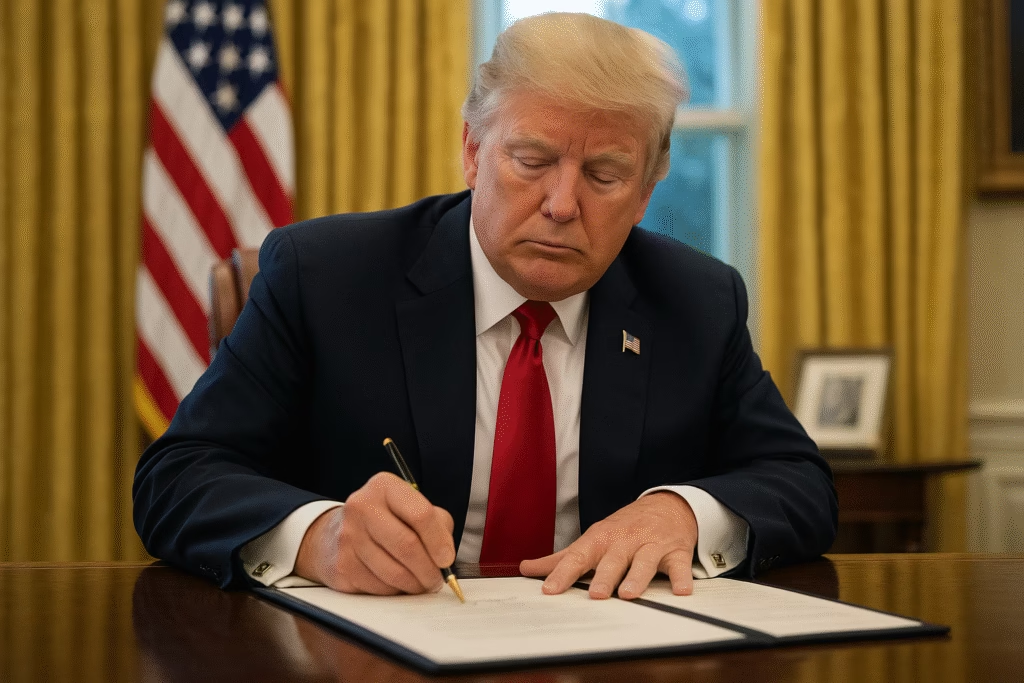
In a world where global trade often feels like a battlefield of numbers, deals, and policies, one decision can ripple across nations. This week, U.S. President Donald Trump signed an order that offers tariff exemptions to countries maintaining trade agreements with the United States. The move has stirred conversations around fairness, economic growth, and America’s place in a constantly shifting global market.
For many industries and businesses, tariffs can be both a shield and a burden. They protect local producers but also raise costs for consumers and international partners. By introducing exemptions for allied countries with formal trade agreements, the administration is signaling a willingness to reward cooperation while continuing its firm stance on economic protection.
Supporters of the decision argue that this approach strengthens alliances and encourages fair trade practices. They believe it offers breathing space for partners who already share strong economic ties with the U.S., allowing trade to continue without additional barriers. On the other hand, critics worry that such exemptions may create confusion, favoritism, or even spark tensions with nations left out of the deal.
Businesses across America, from manufacturing plants to small exporters, are now watching closely. For them, this is more than a political headline—it could shape the prices of raw materials, the cost of production, and even the ability to compete in international markets. Workers, too, are waiting to see if these changes will bring more stability to their jobs or add fresh layers of uncertainty.
At its heart, this policy move is a reminder of how deeply trade decisions are woven into everyday life. What begins as a signed order in Washington can quickly impact a factory floor in Ohio, a shipping dock in Texas, or a marketplace across the globe.
Disclaimer: This article reflects reports surrounding the policy announcement and aims to present an informative narrative. Developments may evolve as official details are clarified.