
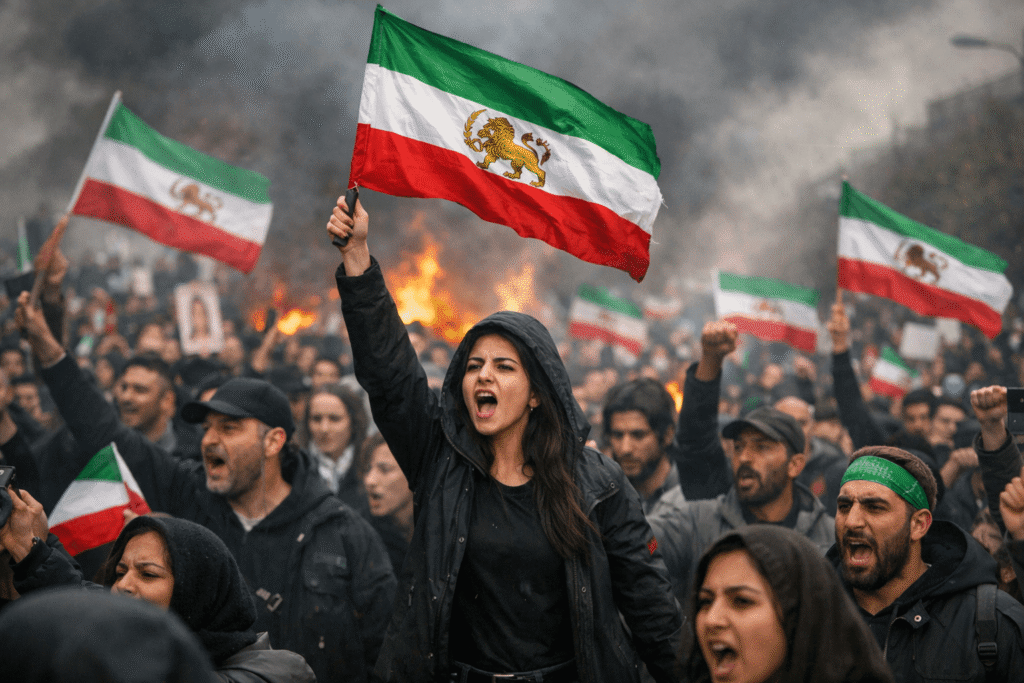
Iran is once again at the heart of a storm of unrest as protests sweep across the country, leaving hundreds dead and thousands detained. According to rights activists, the death toll from the latest wave of demonstrations has climbed to at least 538, with more casualties expected as clashes continue between security forces and protesters demanding justice, freedom, and reform.
A Nation on Edge
The protests, which erupted in late December 2025, began as scattered demonstrations over worsening economic conditions. Years of sanctions, corruption, and mismanagement have pushed Iran’s economy to the brink, with the national currency — the rial — losing much of its value. Food and fuel prices have skyrocketed, and unemployment remains rampant.
But what started as anger over inflation quickly transformed into something far more profound. Within days, the protests evolved into a nationwide movement calling for political change, echoing earlier waves of dissent that have shaped Iran’s recent history. Crowds in Tehran, Mashhad, Isfahan, and Shiraz filled the streets chanting slogans against the ruling establishment, calling for “an end to dictatorship” and “freedom for Iran.”
Heavy Crackdown and Rising Death Toll
The government’s response has been swift and brutal. According to the U.S.-based Human Rights Activists News Agency (HRANA), at least 538 people have been killed since the protests began — including women and children. Around 490 of those killed are protesters, while 48 have been identified as members of the security forces.
In addition, over 10,600 people have been detained, often without due process. Reports from human rights groups describe mass arrests, beatings, and intimidation tactics designed to silence dissent. Families of those killed or arrested have been threatened not to speak out, further highlighting the repressive climate engulfing the country.
Activists warn that the true number of casualties is likely higher, as the government has imposed strict media controls and an internet blackout, making independent verification extremely difficult.
Voices Defiant Despite Fear
Despite the danger, Iranians continue to defy the crackdown. Videos smuggled out of the country show crowds chanting “Death to the dictator!” and “Women, Life, Freedom” — slogans that have come to symbolize resistance to the theocratic rule.
University students, workers, and even members of Iran’s ethnic minorities have joined in solidarity. In cities such as Tabriz and Ahvaz, protesters have clashed with riot police, while in Tehran, women have been at the forefront of the movement, burning headscarves and demanding equality and an end to authoritarian rule.
Information Under Siege
Iran’s government has implemented widespread internet shutdowns and blocked foreign media, cutting off most communication channels to the outside world. State-run news agencies portray the protests as “foreign-orchestrated riots,” accusing Western nations of fueling unrest to destabilize the regime.
However, activists and journalists continue to find ways to share information, using encrypted apps and satellite networks to document what’s happening on the ground.
International Reactions
The escalating violence has drawn condemnation from world leaders. U.S. President Donald Trump expressed support for the protesters, declaring that America “stands with the brave people of Iran who fight for freedom.” He added that Washington is considering measures to hold Tehran accountable for human rights abuses.
Iran’s leadership, however, has struck back rhetorically. Senior officials warned that U.S. and Israeli forces could become “legitimate targets” if they attempt to intervene or encourage rebellion within Iran. The country’s Revolutionary Guard vowed to “crush any conspiracy,” framing the unrest as part of a broader foreign plot.
These statements have intensified fears that the crisis could spiral into a regional confrontation, further destabilizing the already volatile Middle East.
The Broader Meaning
For many Iranians, these protests represent not just an outcry against economic hardship but a demand for dignity and democratic rights. The anger runs deep — built up from decades of political repression, gender inequality, and lack of freedom of expression.
Each wave of protests since 2009 has left behind scars, but also seeds of change. Today’s movement appears more organized, more determined, and more inclusive, drawing people from all walks of life under a shared call for justice.
What Lies Ahead
The Iranian government’s continued use of force has failed to stamp out the protests, suggesting that public frustration has reached a breaking point. Yet, the path forward remains uncertain. Without meaningful reform or dialogue, experts warn that Iran could face prolonged unrest and even greater instability.
For now, the world watches closely as the people of Iran stand up — once again — against oppression, risking everything in their fight for a future built on freedom, equality, and hope.